Built for the Cold Snap: How EPS Flooring Improves Thermal Performance
When a cold snap hits, thermal performance is tested in real-world conditions. Floors, in particular, can become a major source of heat loss if insulation is poorly specified or inconsistently installed.
Expanded polystyrene (EPS) flooring systems are increasingly specified for beam and block floors due to their reliable insulation performance, lightweight handling, and suitability for winter construction. As temperatures drop and energy efficiency expectations rise, EPS flooring offers a practical solution that helps keep heat where it belongs – inside the building.
Why Cold Weather Highlights Poor Floor Insulation
Cold weather doesn’t create heat loss; it exposes it.
During winter months, inadequately insulated floors can allow significant heat to escape, leading to:
Reduced internal comfort
Increased heating demand
Higher energy costs
Difficulty meeting thermal performance targets
For beam and block floors, the insulation layer plays a critical role in maintaining a consistent thermal envelope, especially during colder periods when temperature differentials are at their greatest.
What Is EPS Flooring?
Expanded polystyrene (EPS) is a rigid insulation material widely used in construction due to its consistent thermal properties and durability.
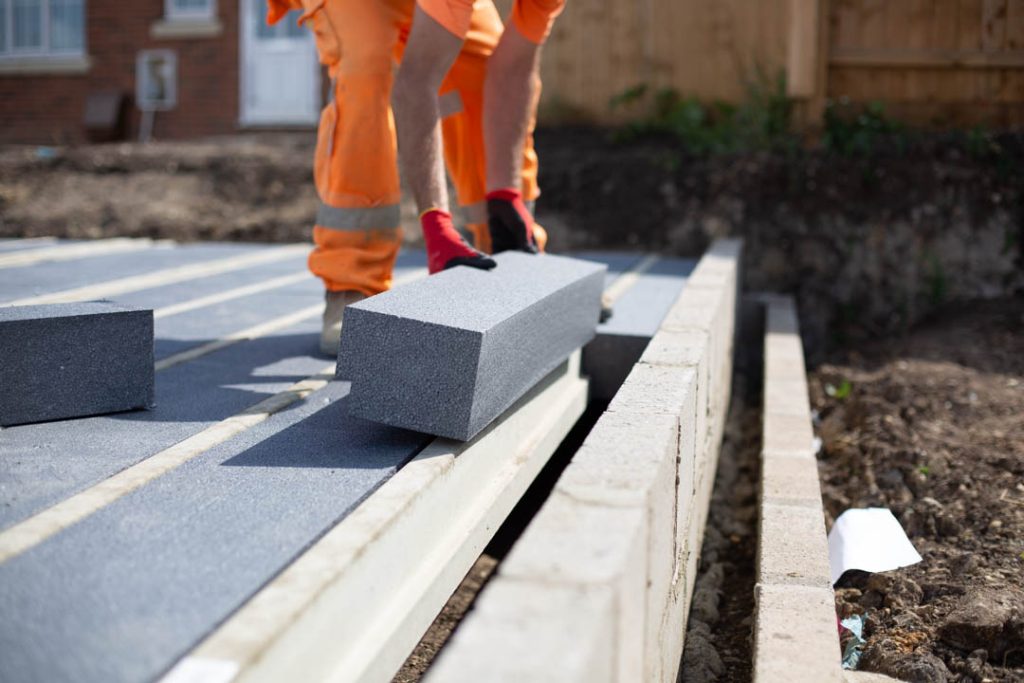
In flooring applications, EPS infill panels are designed to fit precisely between concrete beams, forming a continuous insulated layer beneath the structural floor. The result is a system that is not only thermally efficient, but also quick to install and easy to handle on site.
Thermal Performance That Works When It Matters Most
One of the key advantages of EPS flooring is its reliable thermal performance, even in cold weather conditions.
EPS does not absorb moisture, helping it maintain its insulation properties throughout installation and during the life of the building. This consistency makes it particularly well suited to winter construction, where site conditions can be challenging and programmes are under pressure.
why EPS Flooring is ideal for winter builds
Contractors and developers choose EPS flooring during winter months because it offers:
Lightweight components for safer manual handling
Faster installation compared to traditional infill methods
Reduced risk of delays caused by adverse weather
Consistent insulation performance across the floor area
These benefits help keep projects moving while supporting long-term energy efficiency.
Built for the Cold Snap, and Beyond
While EPS flooring delivers clear advantages during winter, its benefits extend far beyond seasonal conditions.
High thermal efficiency, installation speed, and compatibility with beam and block systems make EPS flooring a reliable choice for year-round construction.
This website may use cookies to improve your experience, please either: AcceptReject You can also read more about our privacy policy Read More
Privacy & Cookies Policy
Privacy Overview
This website uses cookies to improve your experience while you navigate through the website. Out of these cookies, the cookies that are categorized as necessary are stored on your browser as they are as essential for the working of basic functionalities of the website. We also use third-party cookies that help us analyze and understand how you use this website. These cookies will be stored in your browser only with your consent. You also have the option to opt-out of these cookies. But opting out of some of these cookies may have an effect on your browsing experience.
Necessary cookies are absolutely essential for the website to function properly. This category only includes cookies that ensures basic functionalities and security features of the website. These cookies do not store any personal information.